

3.12 - Photography and Social Change
Photography as a Tool Against Racist Representation
African American scholars, artists, and activists turned to photography as a direct way to counter the racist imagery that had long been used to justify their mistreatment and the broader system of Jim Crow segregation. Rather than letting others control how Black life was visually represented, these photographers took that power into their own hands.
During the New Negro movement specifically, African American photographers worked to build a distinctive Black aesthetic, one grounded not in stereotype or spectacle, but in the genuine beauty of everyday Black life, history, folk culture, and pride in African heritage. This wasn't photography meant to prove a point to a skeptical white audience so much as it was photography meant to reflect Black life honestly and with dignity, on its own terms.
James Van Der Zee is one of the clearest examples of this approach in action. His photography helped reshape global perceptions of African Americans by visually illustrating the qualities associated with the "New Negro." He documented the full range of Black life, expression, labor, leisure, study, worship, and home life, consistently highlighting the liberated spirit, beauty, and dignity of the people he photographed. Van Der Zee became especially known for his images of Black Harlemites, particularly the Black middle class, often using props, including luxury items, and carefully composed poses to capture the vibrant personalities of both everyday people and prominent figures like Marcus Garvey and Mamie Smith.
Van Der Zee (1886 to 1983) grew up in Lenox, Massachusetts, moved to New York, and ran his own portrait studio in Harlem for decades, photographing families, weddings, funerals, churches, clubs, and sports teams. In 1924 he also served as the official photographer of Marcus Garvey's Universal Negro Improvement Association.
This visual project of self-representation wasn't limited to individual photographers working in Harlem either. As early as 1900, at the Paris Exposition, W.E.B. Du Bois curated the Exhibit of American Negroes, displaying more than 300 photographs of African Americans alongside dozens of charts and infographics, in both English and French, grounded in real demographic, scientific, and sociological research on the actual status of African Americans. The exhibit demonstrated the genuine diversity and achievement of Black communities to the international audience of a world's fair that drew tens of millions of visitors, and it dramatically expanded the global reach of what would become the New Negro movement, decades before Van Der Zee's own work in Harlem.
Required Sources
"Miss Suzie Porter, Harlem," 1915
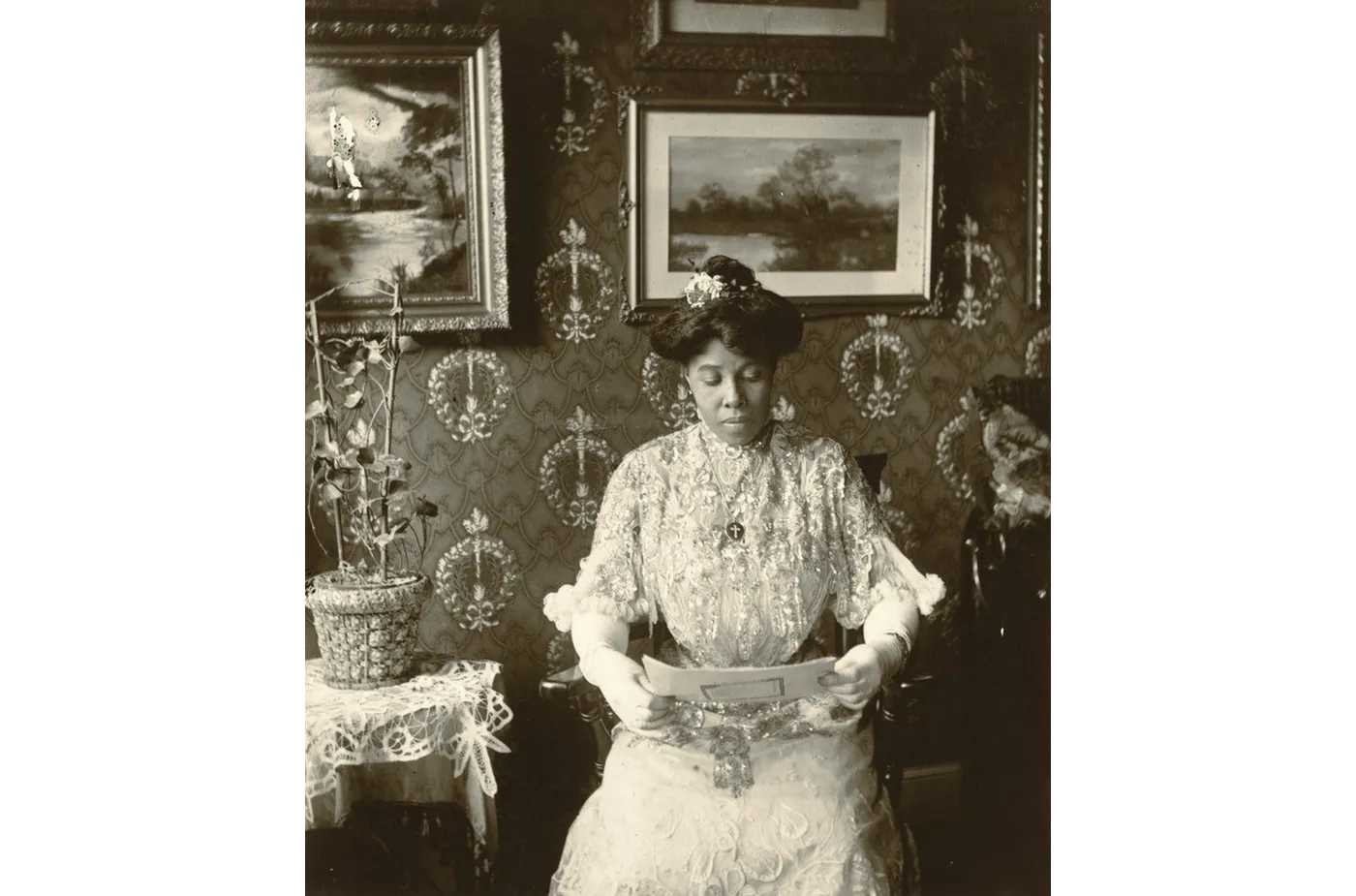
This portrait shows an individual Black woman photographed with the same dignity and care Van Der Zee brought to all of his subjects, reinforcing the broader goal of portraying everyday Black life with genuine respect rather than caricature.
"Garveyite Family, Harlem," 1924
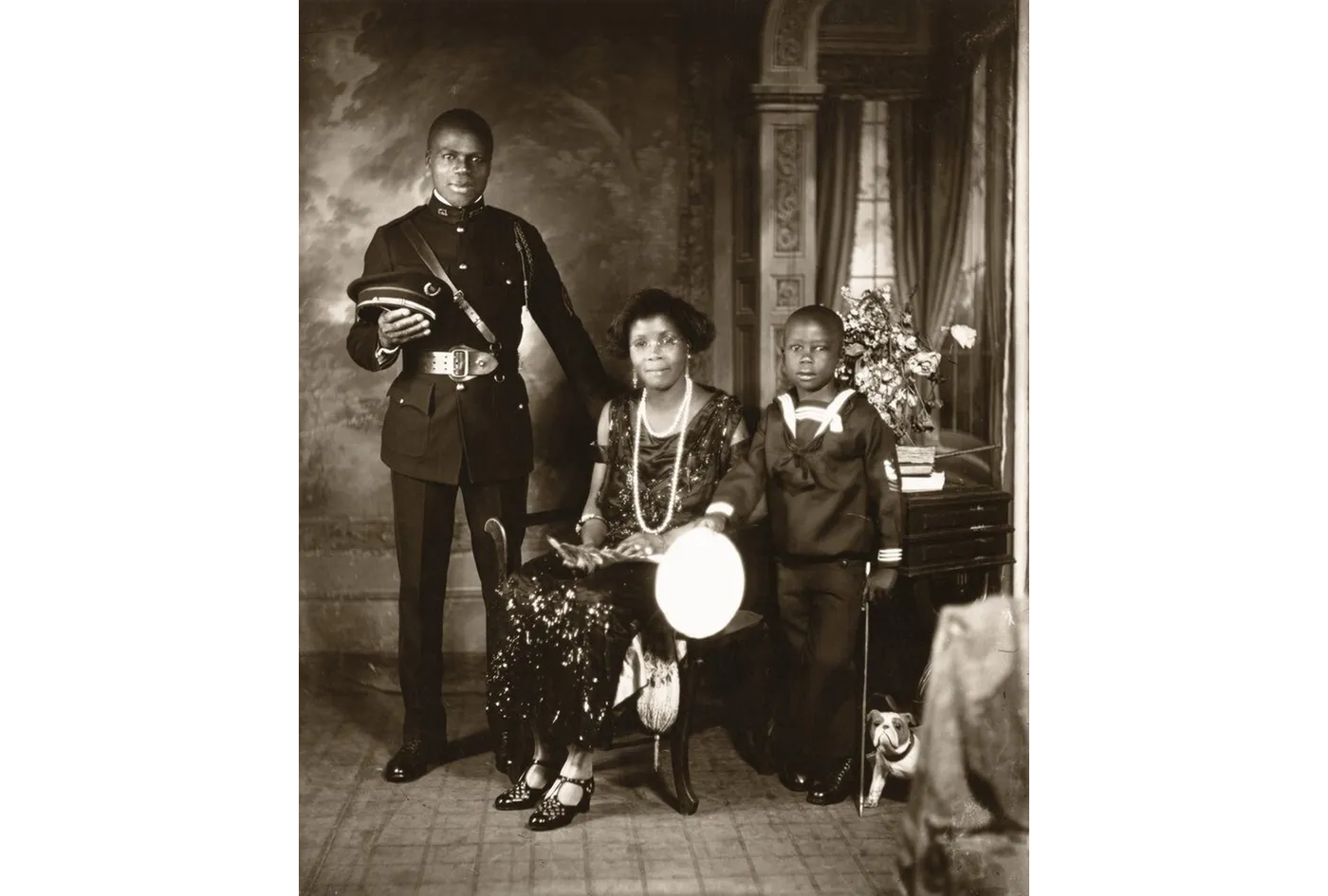
This photograph connects directly to the broader political currents of the era, showing a family associated with Marcus Garvey's movement. It reflects how Van Der Zee's photography wasn't limited to portraiture for its own sake, it also captured the real political and cultural movements shaping Harlem life at the time.
"Swimming Team, Harlem," 1925
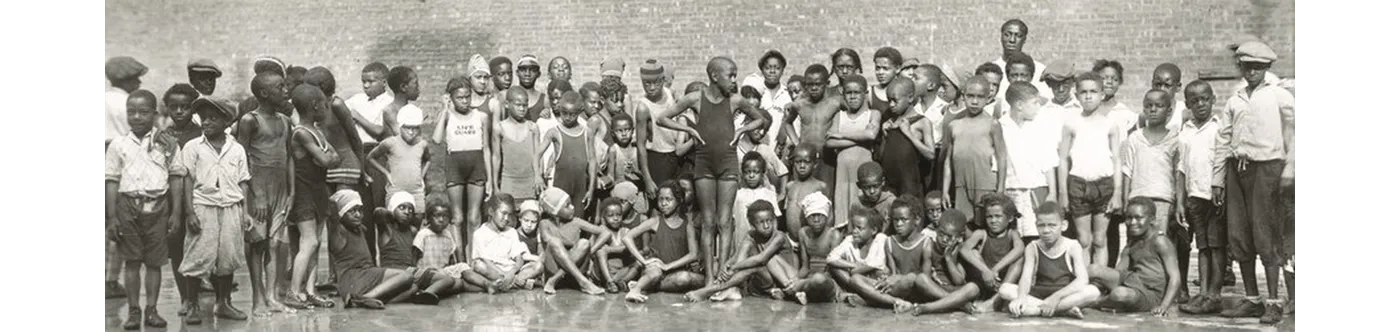
This image shows Black Harlemites engaged in leisure and athletics, part of the fuller picture of Black life Van Der Zee sought to document, one that included joy, recreation, and community, not just labor or struggle.
"Couple, Harlem," 1932
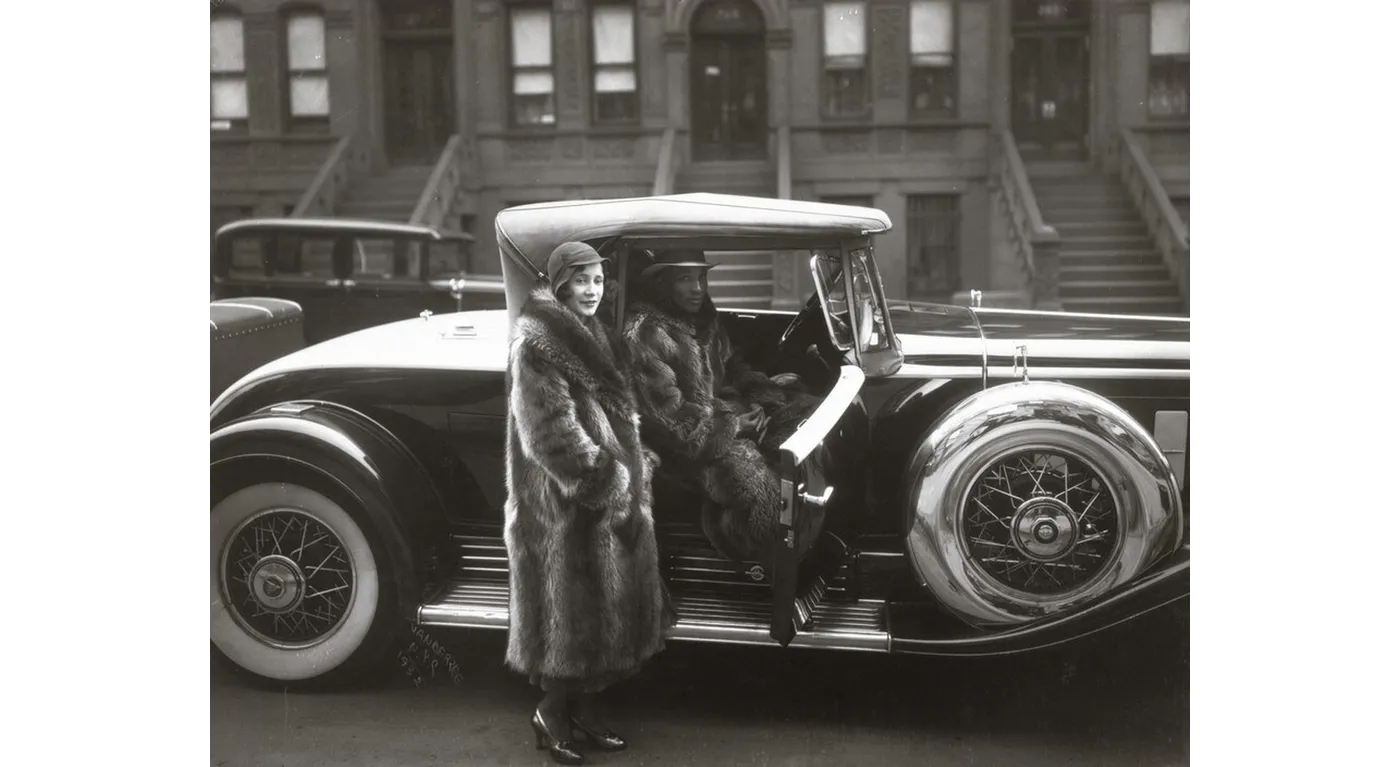
This portrait captures a couple with Van Der Zee's characteristic attention to pose and presentation, reflecting the same care and dignity found across his body of work. Taken together, these four photographs, spanning from 1915 to 1932, show how consistently Van Der Zee documented the full breadth of Black Harlem life across nearly two decades of the New Negro movement.