

2.21 - Legacies of Resistance in African American Art and Photography
Photography as a Tool for Dignity and Resistance
In the nineteenth century, African American leaders embraced photography, still a relatively new technology at the time, as a way to actively push back against racist stereotypes. Rather than letting others define how Black people were seen, these leaders used photography to present themselves as citizens deserving of dignity, respect, and equal rights, controlling their own image in a way that hadn't really been possible before.
Sojourner Truth used this tool with a clear strategic purpose. She sold her carte-de-visite photographs specifically to raise money for the abolitionist cause, alongside other work like speaking tours and recruiting Black soldiers for the Union Army. Her photographs did more than fund activism though, they visually reinforced the central role Black women played in the broader fight for freedom.
Her cards carried the caption "I Sell the Shadow to Support the Substance," meaning she sold the picture (the shadow) to support herself and her work (the substance). Truth, who had escaped slavery in New York in 1826, controlled how she was photographed: she often posed seated, dressed simply and respectably, sometimes with her knitting, an image that challenged stereotypes of Black women.
Frederick Douglass took this even further, becoming the most photographed man in America during the entire nineteenth century. Photographs of formerly enslaved people like Douglass and Harriet Tubman carried real symbolic weight, they stood as visual proof of Black achievement and human potential once freedom was attained, directly countering the dehumanizing narratives used to justify slavery in the first place.
Douglass also wrote and lectured about photography, arguing that it would let Black people be shown as they really were, instead of through the exaggerated, racist drawings common in the press.
Contemporary Art Carrying the Legacy Forward
This tradition of visual resistance didn't end with the nineteenth century. Many contemporary African American artists continue building on established Black aesthetic traditions, weaving historical, religious, and gender perspectives into their portrayals of Black leaders. Their work does more than depict history, it actively preserves the legacy of these leaders' bravery and resistance for new generations.
Required Sources
Photographs of Harriet Tubman Throughout Her Life
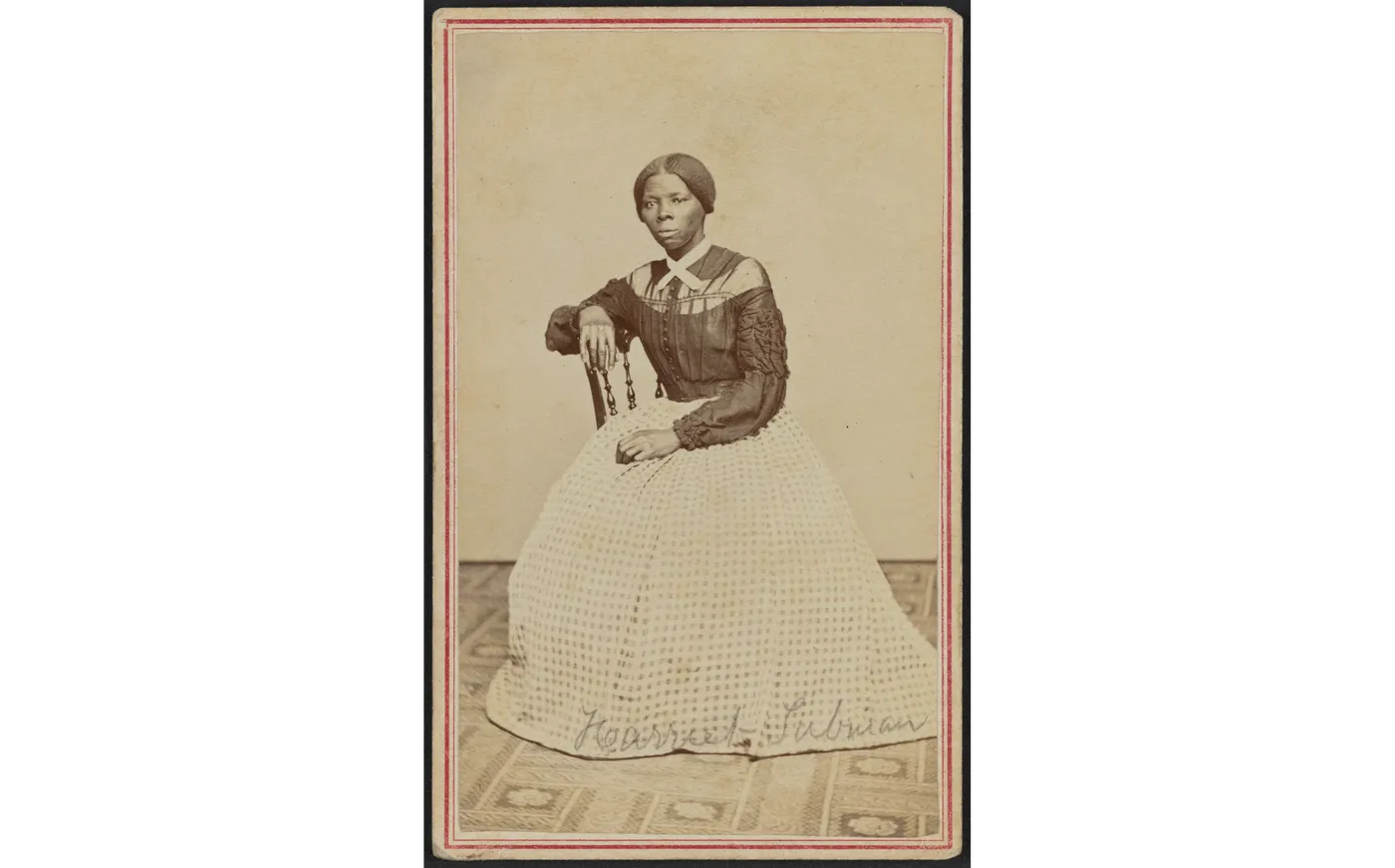
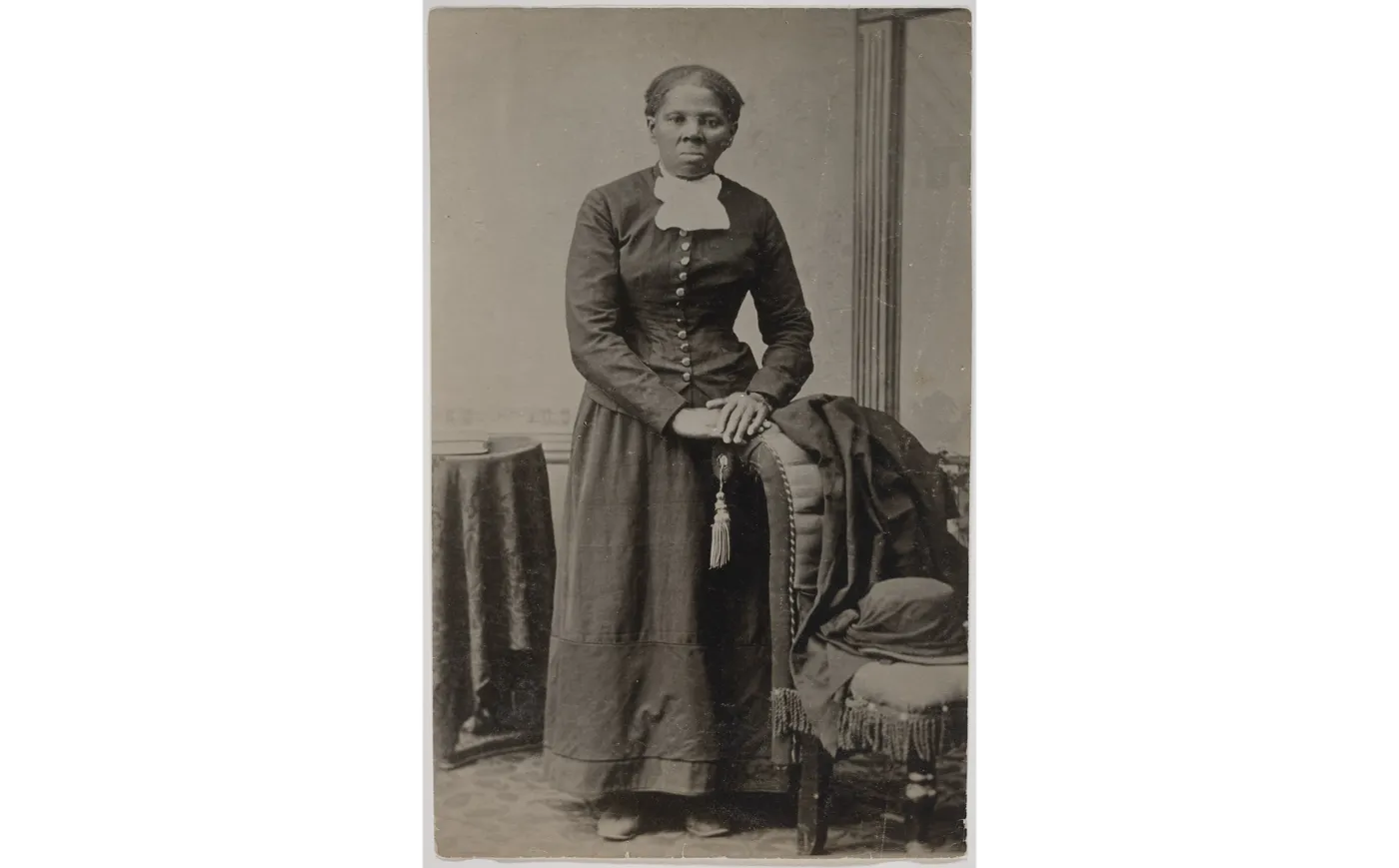
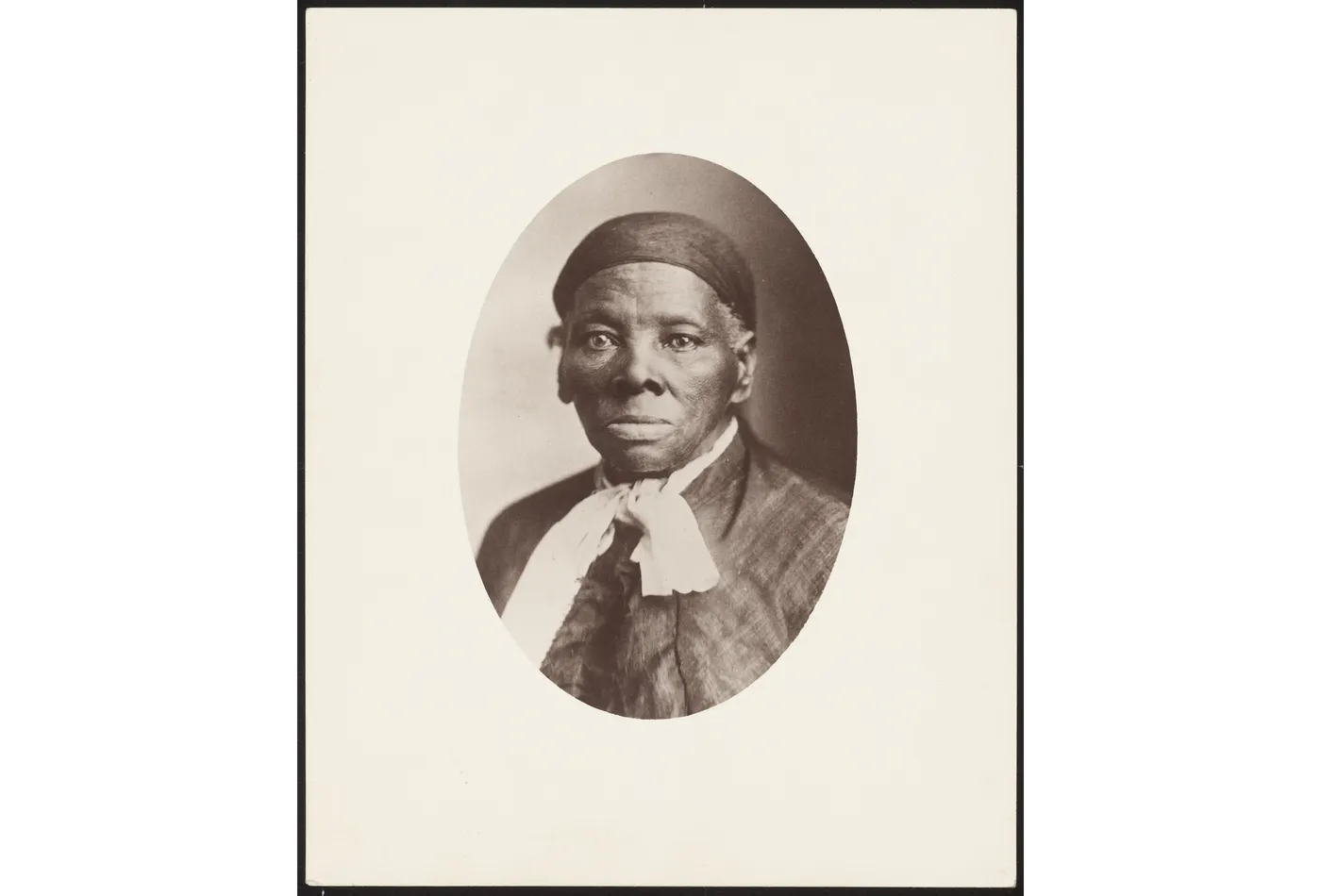
These three photographs span decades of Tubman's life, from the years just after the Civil War into the early twentieth century. Seen together, they let you trace how Tubman was photographed and presented across different stages of her life, from her years as an active conductor and Union operative to her later years as a widely recognized public figure. Each image reinforces the broader point above: photography gave figures like Tubman a way to be seen on their own terms, as a dignified, enduring presence rather than a fleeting historical footnote.
The 1868 to 1869 carte de visite, taken in Auburn, New York, where Tubman settled after the war, is one of the earliest known photographs of her. It was rediscovered in a photo album that belonged to the abolitionist Emily Howland and was bought jointly by the Smithsonian's National Museum of African American History and Culture and the Library of Congress in 2017.
I Go to Prepare a Place for You by Bisa Butler, 2021
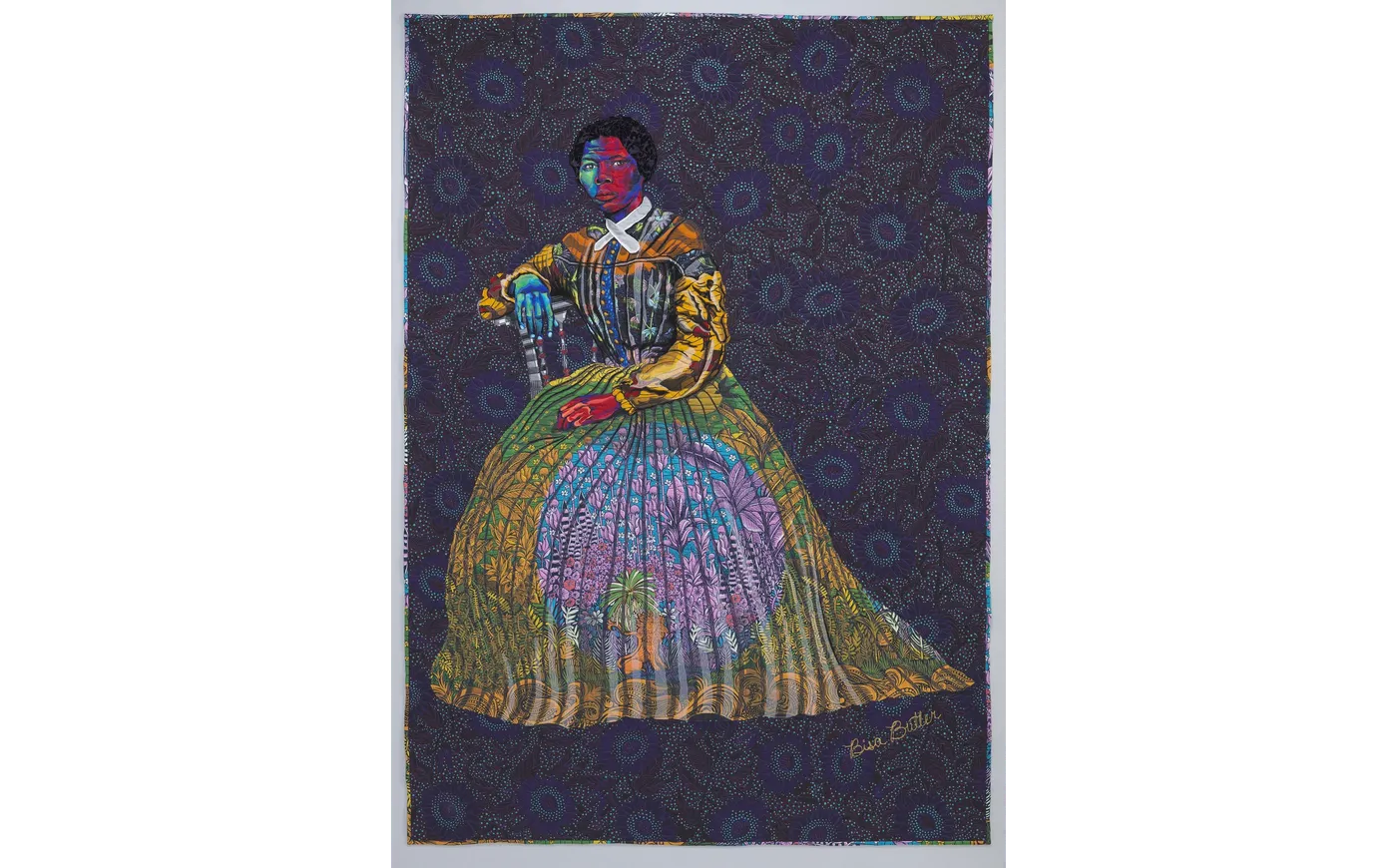
Bisa Butler's quilted portraits draw directly from African American quilting traditions, transforming a historically domestic craft into a format for the kind of layered, historical portraiture described above. In this specific piece, Butler contextualizes Harriet Tubman's legacy, drawing out the connection between faith and leadership that shaped Tubman's life, and threading in recurring visual links between African Americans and Africa itself. It's a striking modern example of exactly the kind of contemporary artistic tradition mentioned earlier, one that carries forward the memory of Black leaders' resistance through a distinctly Black artistic medium.
The title comes from Jesus's words in the Gospel of John ("I go to prepare a place for you"), which ties Tubman's role as a guide to freedom to her deep Christian faith. Butler, a fiber artist, is known for building her portraits from brightly patterned fabrics, including African wax-print cloth, which links her subjects to both African American quilting and African textile traditions.