

4.18 - Black Life in Theater, TV, and Film
Reclaiming Black Representation on Screen
Early twentieth-century cinema was full of racist, dehumanizing depictions of African Americans, and filmmakers like Oscar Micheaux worked directly to counter that trend. Micheaux presented Black life and characters as realistic and genuinely complex, producing nearly 50 films between the 1920s and 1940s. He created real opportunities for all-Black casts to perform across a full range of roles, challenging harmful stereotypes and helping pave the way for the generations of Black directors and producers who would follow him in both television and film.
One of Micheaux's best-known films, Within Our Gates (1920), showed the lynching of a Black family and the violence of the Jim Crow South. It answered D. W. Griffith's hit film The Birth of a Nation (1915), which had portrayed Black men as dangerous and the Ku Klux Klan as heroes.
Music and dance found their own major platform on television through Soul Train, a popular African American dance program modeled on American Bandstand. The show was created by Don Cornelius in 1971 and went on to become a defining cultural institution. Its legacy has continued well beyond its original run, in 2019, the show American Soul debuted on BET as a direct tribute to Soul Train's impact. The show's musical legacy is also preserved through the Soul Train Hall of Fame album, which features tracks from major figures in Black soul and hip-hop, including Rufus featuring Chaka Khan, Aretha Franklin, Gladys Knight and the Pips, Sly and the Family Stone, and the Sugarhill Gang.
Soul Train actually started as a local show in Chicago in 1970 before going national in 1971, and it ran in syndication until 2006. Because Cornelius owned and hosted it, it was one of the first nationally syndicated TV shows controlled by a Black American, and it gave Black artists, music, fashion, and dance a weekly national stage.
Migration, Economic Growth, and Changing Representation
Black theater flourished throughout the twentieth century, with companies emerging in urban centers where migrants settled during the Great Migration. Both professional and community theaters produced plays that tackled real political and social issues affecting Black life, while also offering genuine depictions of Black joy, expressed through both dramatic and musical works.
Examples include the American Negro Theatre, founded in Harlem in 1940, where actors like Sidney Poitier and Harry Belafonte trained, and the Negro Ensemble Company, founded in New York in 1967. Lorraine Hansberry's A Raisin in the Sun (1959), about a Black family on Chicago's South Side, carried a Great Migration family's story to Broadway.
Since the 1970s, television and film have increasingly attempted to capture the real diversity within Black culture and experience, rather than flattening it into a single narrative. Shows like The Jeffersons (1975 to 1985) and The Fresh Prince of Bel-Air (1990 to 1996) portrayed Black upward mobility, showing families who had achieved real economic and social success. Meanwhile, shows like Good Times (1974 to 1979) and Black-ish (2014 to 2022) centered strong family units as their core theme, exploring Black family life across very different economic and social circumstances, together reflecting a much broader, more accurate range of Black American experience on screen.
Required Sources
Lobby Card for The Betrayal, by Oscar Micheaux, 1948
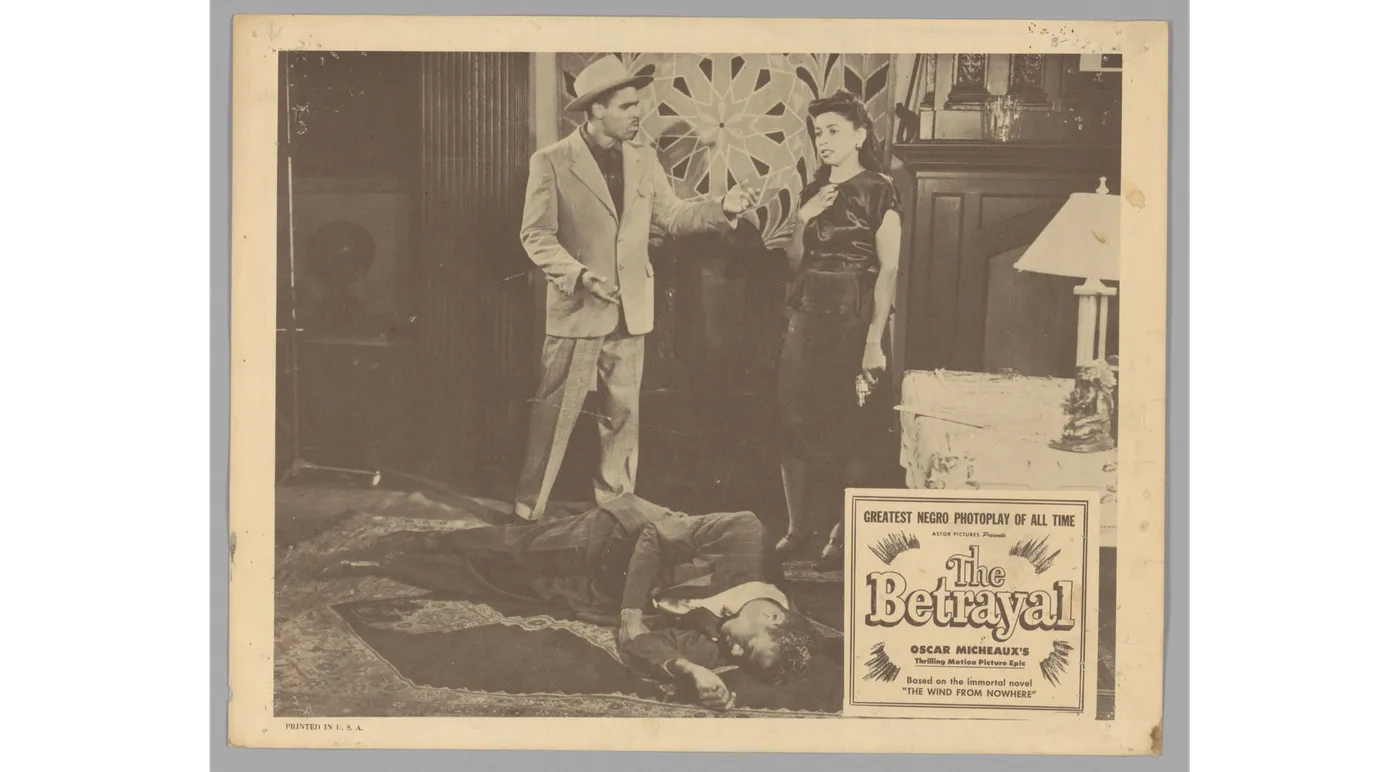
This lobby card comes from one of Micheaux's later films, near the end of his prolific career spanning nearly 50 movies. It's a tangible artifact of exactly the kind of complex, dignified Black storytelling Micheaux pursued throughout his career, offered as a direct counter to the racist caricatures dominating mainstream cinema at the time.
Photograph of Soul Train, Circa 1970
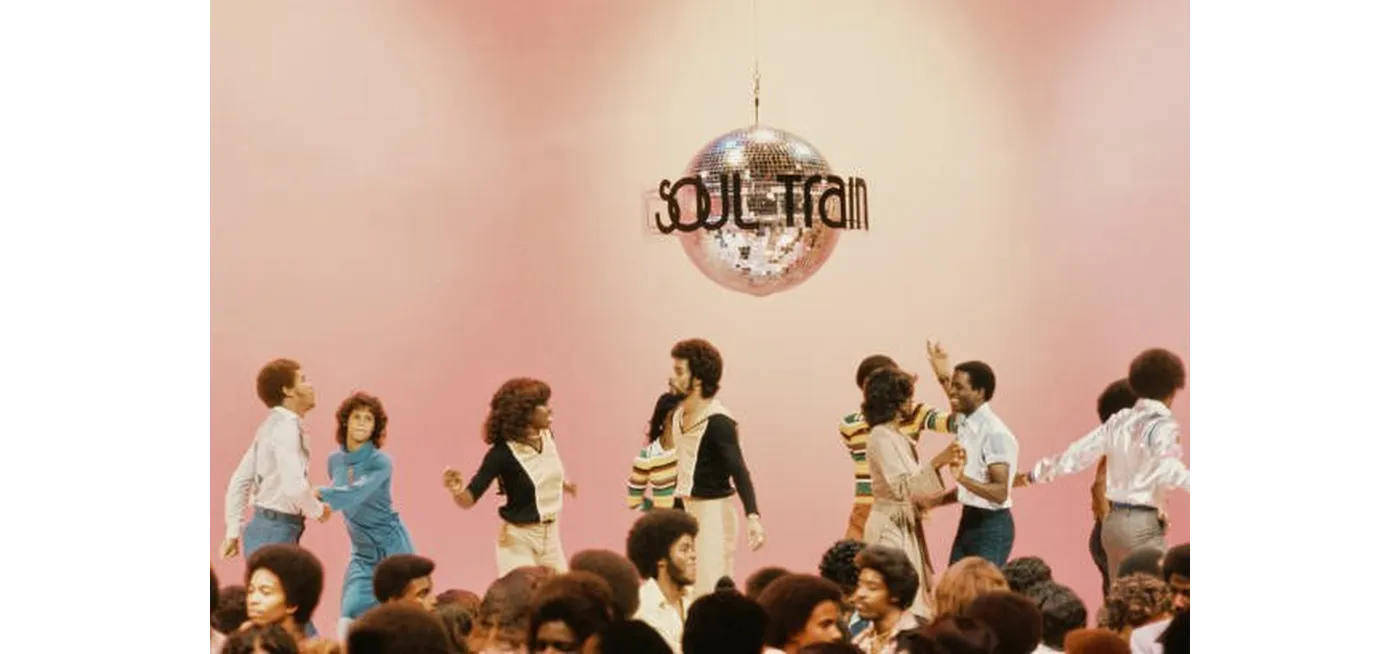
This photograph captures the show near its earliest days, right around the time Don Cornelius created it. Seeing the show's energy and style firsthand helps explain why it became such a lasting cultural touchstone, one significant enough to inspire a tribute series nearly five decades later.
"Soul Train It's a Vibe: The Best Soul Train Line Dances" (video, 4:31)

This compilation showcases the show's iconic line dances, one of its most recognizable and enduring visual signatures. Watching these dances helps convey why Soul Train became such an important platform for Black music and dance culture, not just showcasing performers, but actively celebrating Black joy and creativity as central to its identity.
Playbill for Fences, by August Wilson, 1987

August Wilson's Fences opened on Broadway in 1987, starring James Earl Jones, and won the Pulitzer Prize for Drama and the Tony Award for Best Play. It is part of Wilson's ten-play Pittsburgh Cycle, which tells the story of Black life in each decade of the twentieth century. Set in Pittsburgh in the 1950s, it follows Troy Maxson, a garbage collector who was a star in the Negro leagues but was kept out of the major leagues by segregation, and whose bitterness shapes his relationship with his wife and son. The playbill shows how Black theater, which grew in the cities where Great Migration families settled, reached the biggest stages in the country by the 1980s with serious stories about Black family life, work, and racism.